

Housing Stability for School Success Toolkit
Housing stability matters for a child’s mental and physical wellbeing, educational success, and connection to a community. Involuntary displacement leads to greater material hardship for families, poorer health and avoidable healthcare costs for children and their mothers, and negative impacts on children’s academic achievement. Children who experience housing instability can have lower vocabulary skills, grade retention, higher rates of drop-out, and lower educational attainment as adults.
Launched in spring 2021, Housing Stability for School Success is a collaboration between the Child Poverty Action Lab (CPAL) and Dallas ISD to reduce student middle-of school year moves through campus-based housing interventions. The work began as an action research project focused on elementary schools with high rates of middle-of-year moves and located in neighborhoods with historically high eviction filing rates.
Since fall 2021, CPAL has implemented family-centered solutions at two pilot campuses, Elisha M. Pease and J.N. Ervin Elementary Schools, in partnership with school staff and housing-focused nonprofit organizations. CPAL has worked to scale interventions district-wide and bring data to the center of decision-making. Although the toolkit was built based on a pilot project with Dallas ISD, the featured interventions can be implemented in any school or district context.
View more


Dallas’ $200 Million (Housing) Question
CPAL’s assessment of rental affordability in Dallas is informing conversations about public investment in affordable housing.
- As of 2021, Dallas had a 33,000+ unit gap in affordable rental housing. Without action, this shortage of affordable housing units is projected to nearly triple to 83,500 units by 2030.
- Families with 4+ people are particularly vulnerable: there are 50 three-bedroom units affordable for every 100 households at or below 50% AMI, dropping to 15 three-bedroom units affordable for every 100 households by 2030.


SMU Deason Criminal Justice Reform Center partnership
CPAL and the Deason Center are working to identify leverage points to reduce pretrial detention in Dallas County.
- Because pretrial detention can jeopardize a person’s employment, family stability, housing, and health, charging delays are a major issue for children and families.
- After an arrest, a prosecutor decides whether to file formal charges against an individual. In Texas, prosecutors can take up to 6 months to make that decision, and an arrested person can be held in jail for half of that time.
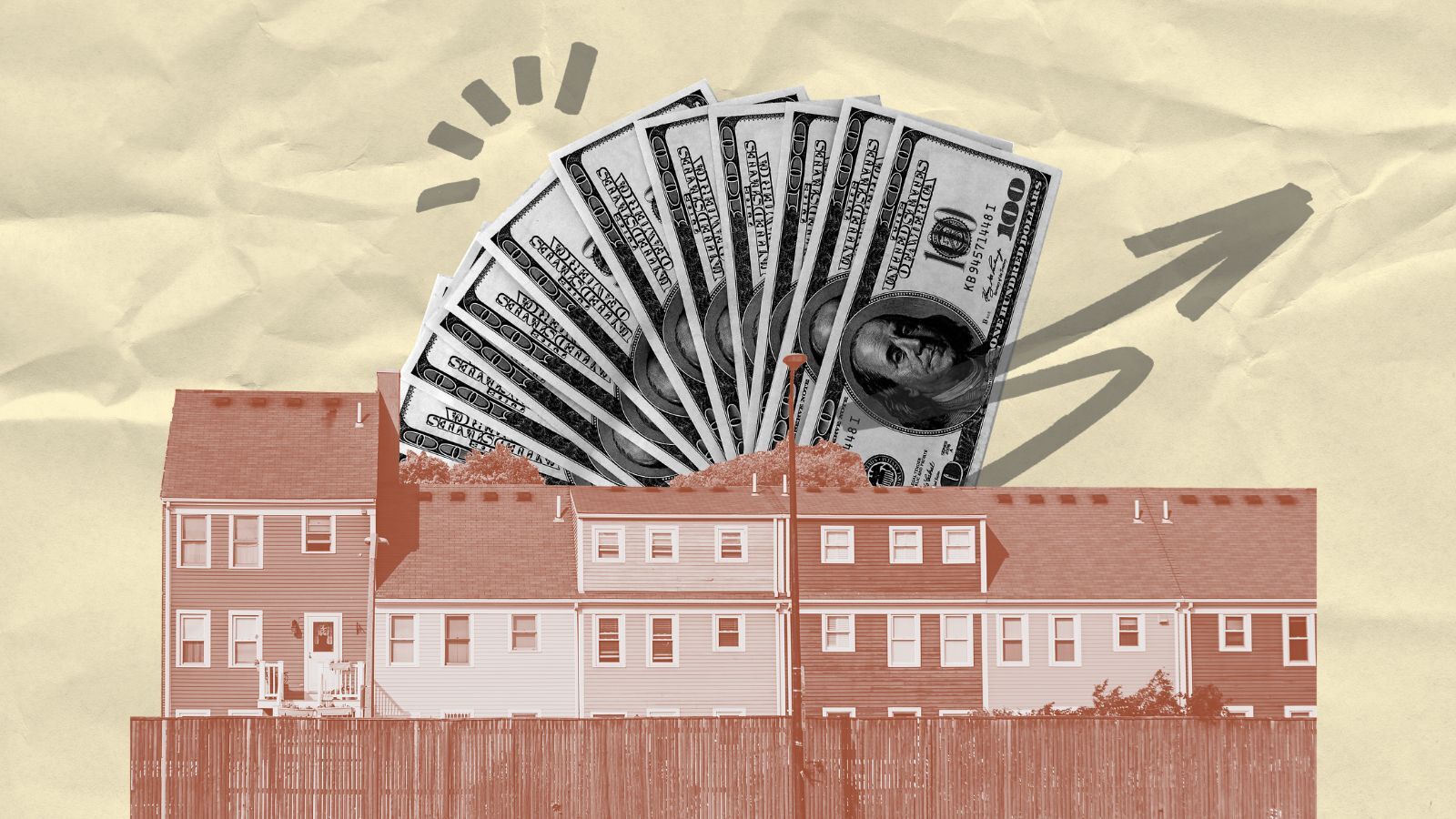
2024 Evictions in Dallas County: Understanding Filings, Outcomes, and Displacement
CPAL examines eviction cases in Dallas County in 2024, including record-high filings, varying courtroom outcomes, citation service methods, and the households ultimately
- In 2024, landlords filed 50,117 evictions in Dallas County – 200 per business day — the highest level in 25 years of available data.
- Across Dallas County in 2024, 52% of eviction cases favored the landlord, and 48% favored the tenant. However, case outcomes, especially in contested cases, varied by Justice of the Peace court.
- Ultimately, 17% of eviction cases ended with the execution of a writ of possession, meaning the tenants and their belongings were physically removed from the rental unit.