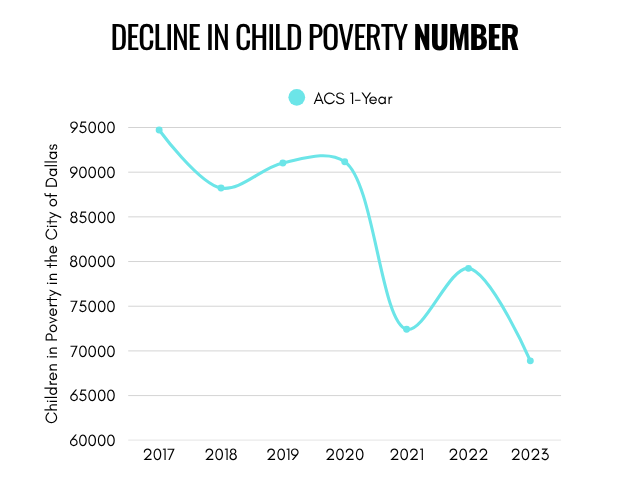
1 in 5 Dallas children grow up in poverty.
Let's work together to cut that in half in a single generation.
Every child deserves a life filled with opportunity. The Child Poverty Action Lab (CPAL) operates as an unofficial R&D department for Dallas, rethinking how data can be integrated into public systems, community programs, and neighborhood life to break cycles of intergenerational poverty.
Big Bets For Economic Mobility
CPAL's work spans a range of issues — interconnected “Big Bets” that recognize how childhood experiences, place, and systems shape adult outcomes.


CPAL's work spans a range of issues — interconnected “Big Bets” that recognize how childhood experiences, place, and systems shape adult outcomes.
Across these big bet areas, we focus on three elements proven to make a difference: strong neighborhoods, early development, and economic connectedness.
Our work in media

2025 Rental Housing Needs Assessment
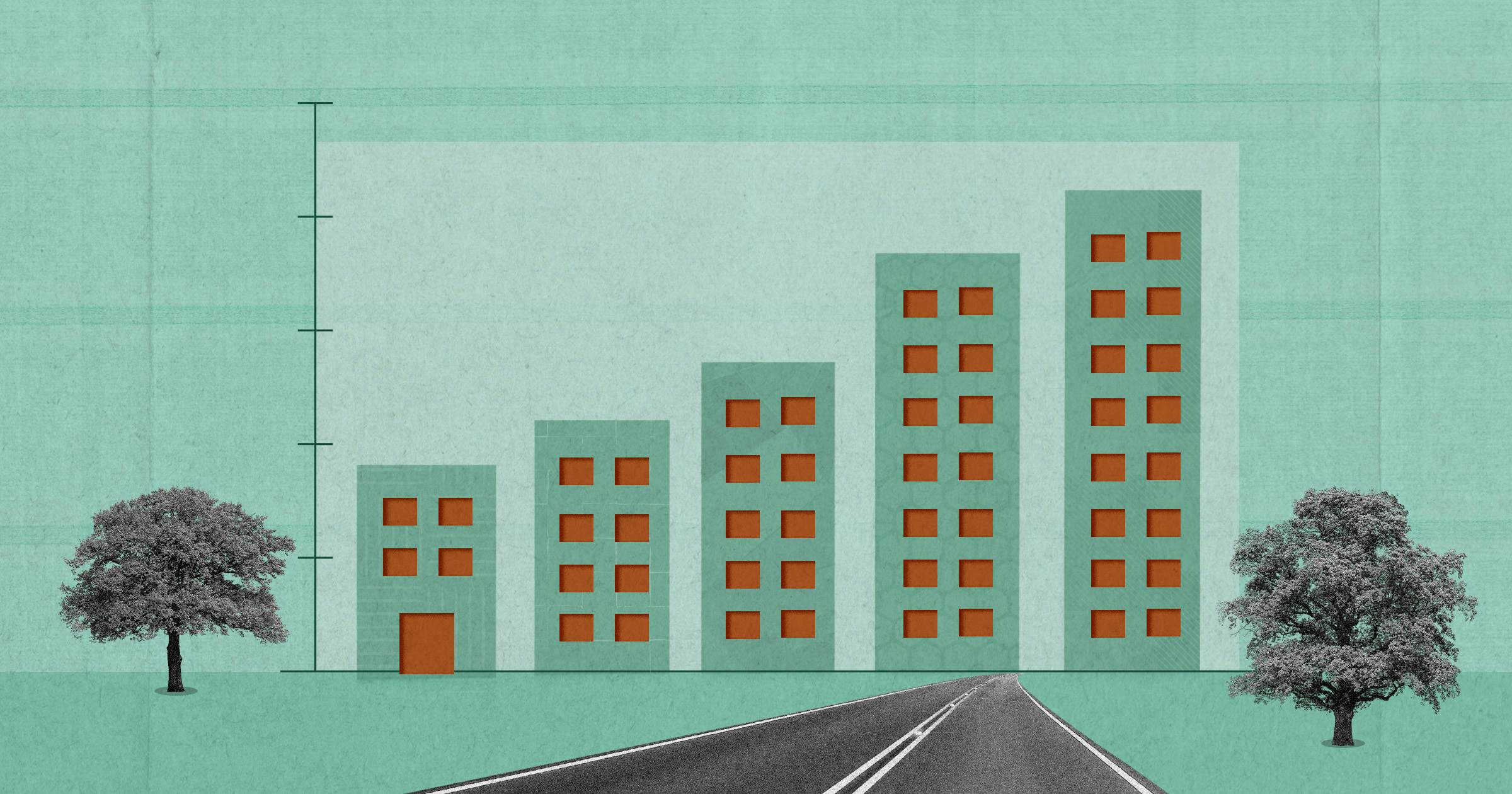
The 2025 Rental Housing Needs Assessment establishes a shared fact base on rental affordability, supply, and opportunity in the City of Dallas.
- Dallas faces a 46,000-unit shortage of rental homes affordable to very low-income households earning ≤50% of Area Median Income (AMI). Since CPAL first published this report in 2023, the gap has grown by more than 12,000 units.
- Between 2021 and 2023, the number of rental units priced below $1,000 per month was cut in half — a loss of over 50,000 units. Today, 90% of affordable units for low-income renters are unsubsidized and vulnerable to market pressures.
- Half of all renters spend more than 30% of their income on housing, including 75% of single parents with children and 65% of senior renters. Extremely low-income renters spend, on average, 78% of their income on housing, leaving little room for other necessities.


Closing the Gap: The $25M Initiative Aiming to Improve Maternal Outcomes Across DFW
In the face of discouraging maternal health data in Texas, TCU and UT Southwestern have joined forces to launch the North Texas Maternal Health Accelerator. Since December 2024, 11 philanthropic organizations have committed nearly $25 million to address maternal morbidity, preterm birth rates, and other maternal health conditions at a crucial time for the accelerator.
- The $25 million commitment from 11 partners across the region comes at a key time for the MHA initiative, which was poised to secure $15 million in federal funding from the Advanced Research Projects Agency for Health’s (ARPA-H) Health Care Rewards to Achieve Improved Outcomes program, an outcomes-based payment model that would have released funds based on measurable impact. When the new administration cut the budget on the eve of the funding being distributed this summer, the future of the MHA was in jeopardy.
- Despite the lack of funding, MHA forged ahead with one of its goals: reducing severe obstetric complications by more than 20 percent over three years and developing economic models that reward maternal health improvements.

CPAL Partner Spotlight: Dallas College
What happens when a college system turns data into action?
- In this CPAL Partner Spotlight, we explore how Dallas College partnered with the Child Poverty Action Lab (CPAL) to better identify and support student parents — an often-overlooked group facing barriers to completing their education.
- By integrating CPAL’s data analysis with Dallas College’s holistic Student Care Network, the college was able to identify 8,500 student parents supporting more than 25,000 children — and connect many of them with public benefits, wraparound services, and long-term opportunities for economic mobility.
- "CPAL helped us ask the right questions—and the ripple effect is now touching veterans, foster youth, dual credit students, and more."
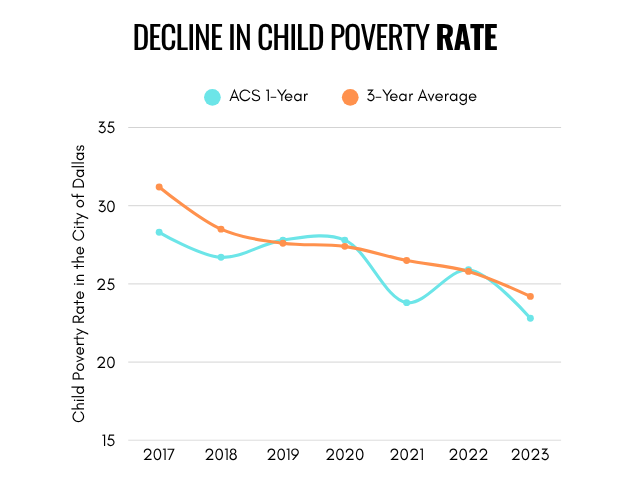
Child poverty rate in the City of Dallas (2017 to 2023)
Number of children in poverty in the City of Dallas (2017 to 2023)