
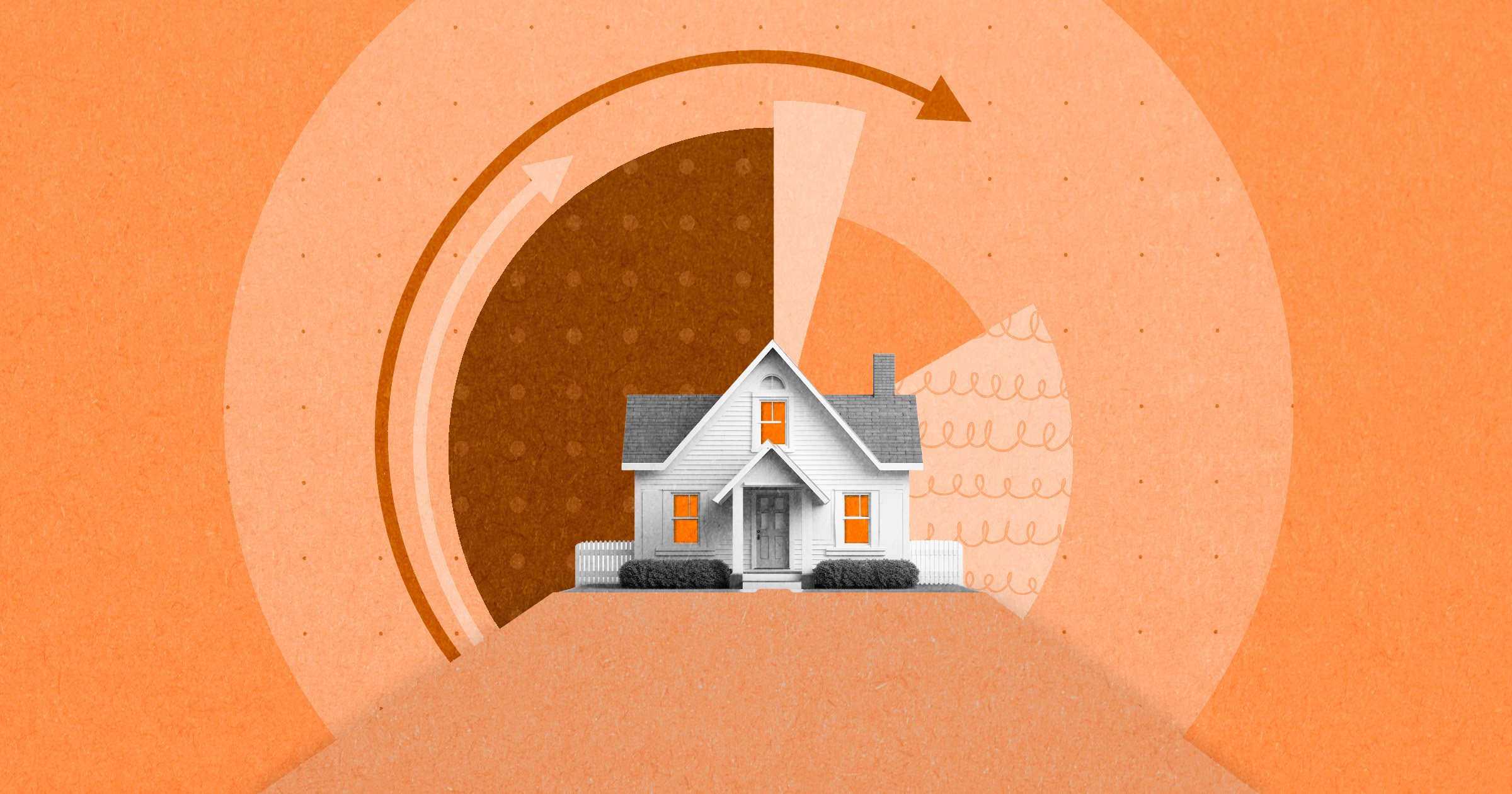
Dallas’ $200 Million (Housing) Question
CLICK HERE TO VIEW FULL ARTICLE
Here is an excerpt:
Next year, the city will ask voters to approve a $1 billion bond. It wants to use a chunk of that money to help stave off a housing crisis. But how much?
Dallas City Hall is finally poised to use bond dollars to pay for housing. The city has never seriously used the bond program to boost the supply of apartments and homes, a technique that has grown common in cities such as Austin and San Antonio.
The new attention comes as research shows a dire situation growing worse. The nonprofit Child Poverty Action Lab recently identified a gulf in supply of 33,660 rental units for Dallasites who make 50 percent of the area’s median income. That’s $31,150 for a single person, $35,600 for two, and $40,500 for three.
Forty percent of the labor pool here works lower-paying retail, service, and support jobs, which have median wages of under $40,500. If we do nothing, the shortage will nearly triple to 83,500 units by 2030. The city of Dallas now admits that these earners have to work multiple jobs just to afford a one-bedroom apartment.
The Dallas Housing Coalition wants to change the equation. The group of 90 organizations—businesses, chambers of commerce, nonprofits, churches—are calling for the city to use as much as one-fifth of the entire bond package on housing. That would be $200 million. The city is proposing a housing ask of $125 million, but that figure could drop to as low as $80 million.
View more
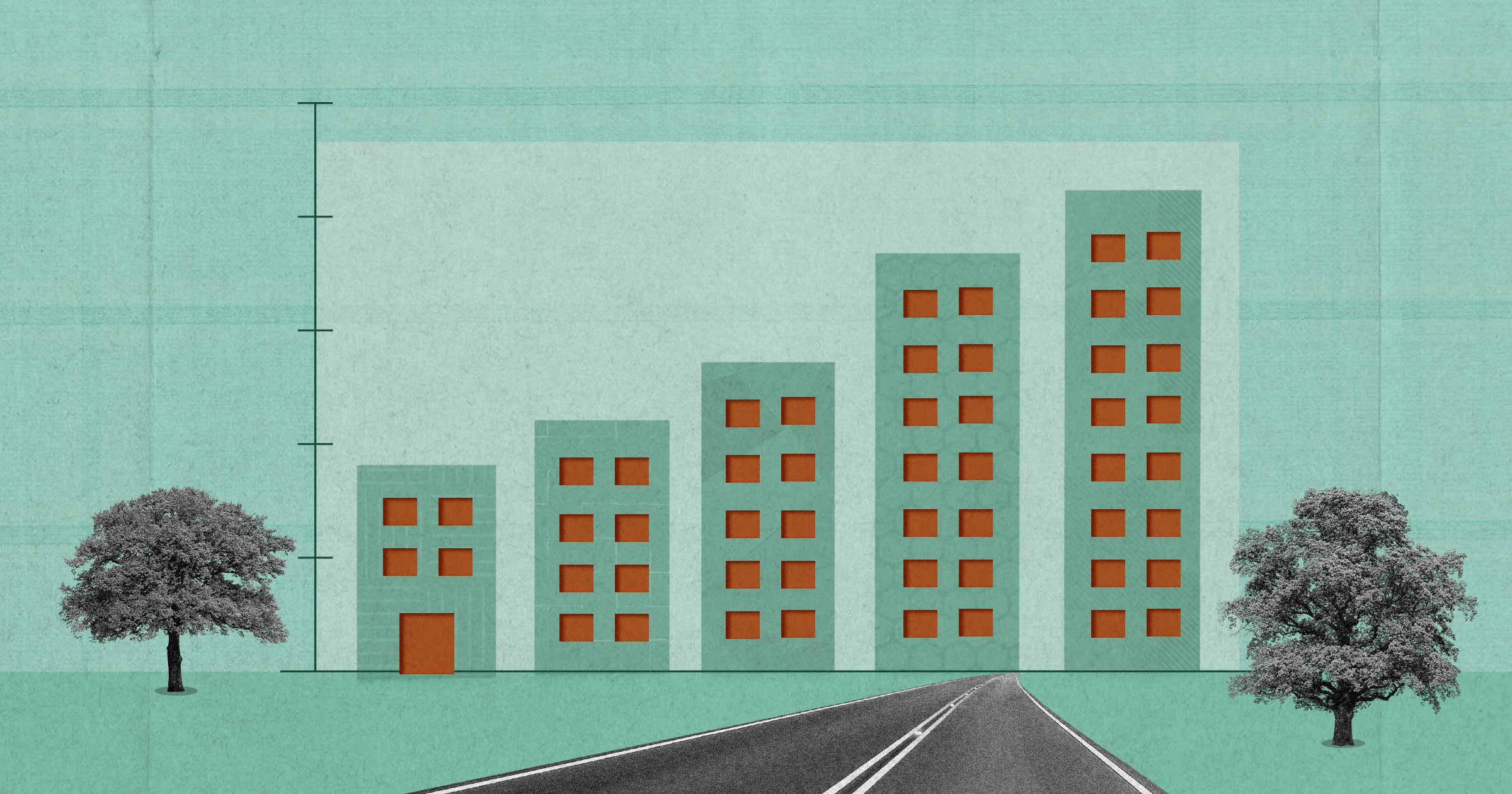
Eviction less likely for Dallas County tenants who get a lawyer — but most don’t have one
CPAL's data analysis shows that eviction chances fall dramatically when tenants have legal representation.
- Law students at SMU observed nearly 1,300 eviction hearings across five of Dallas County’s ten justice of the peace courts from November 2022 to April 2023, representing about 10% of all initial eviction cases heard in those courts.
- Renters who had lawyers lost their cases just 7% of the time, whereas renters without lawyers lost their case – and, typically, their home — nearly 70% of the time.
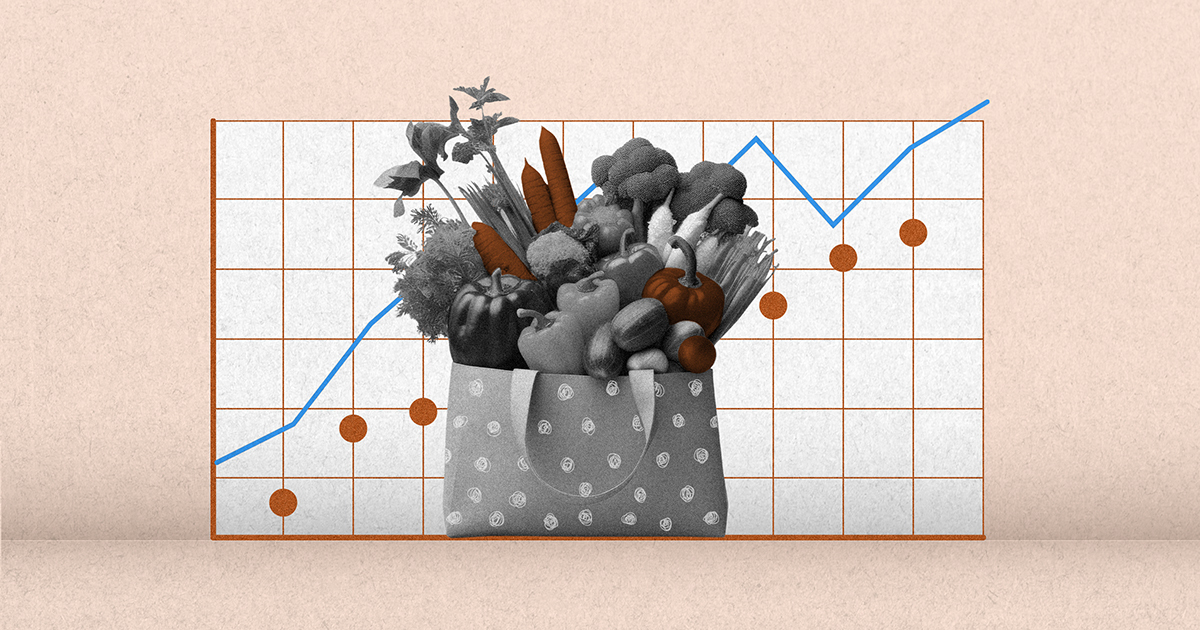

WIC Playbook
CPAL’s WIC playbook features prototypes designed to increase WIC benefit uptake in Dallas through human-centered design.
- The WIC program plays an important role in improving birth outcomes and containing health care costs. Every dollar spent on WIC leads to savings in health care costs from $1.77 to $3.13 within the first 60 days after birth.
- National data shows that in 2021, an average of 12.13 million moms, babies, and young children were eligible for WIC but only 51% actually participated.

Can a cleanup plan from Philadelphia work in South Dallas? What $300,000 has done so
CPAL and key partners are using data to remediate blight in the Mill City neighborhood.
- Many Dallas neighborhoods have extensive blight, which signals systemic disinvestment and invites harm.
- Blight has become a focal point of citywide investment in many cities across the country to accelerate programs to re-green vacant lots.