


Role of Junk Fees in the Dallas Rental Housing Market
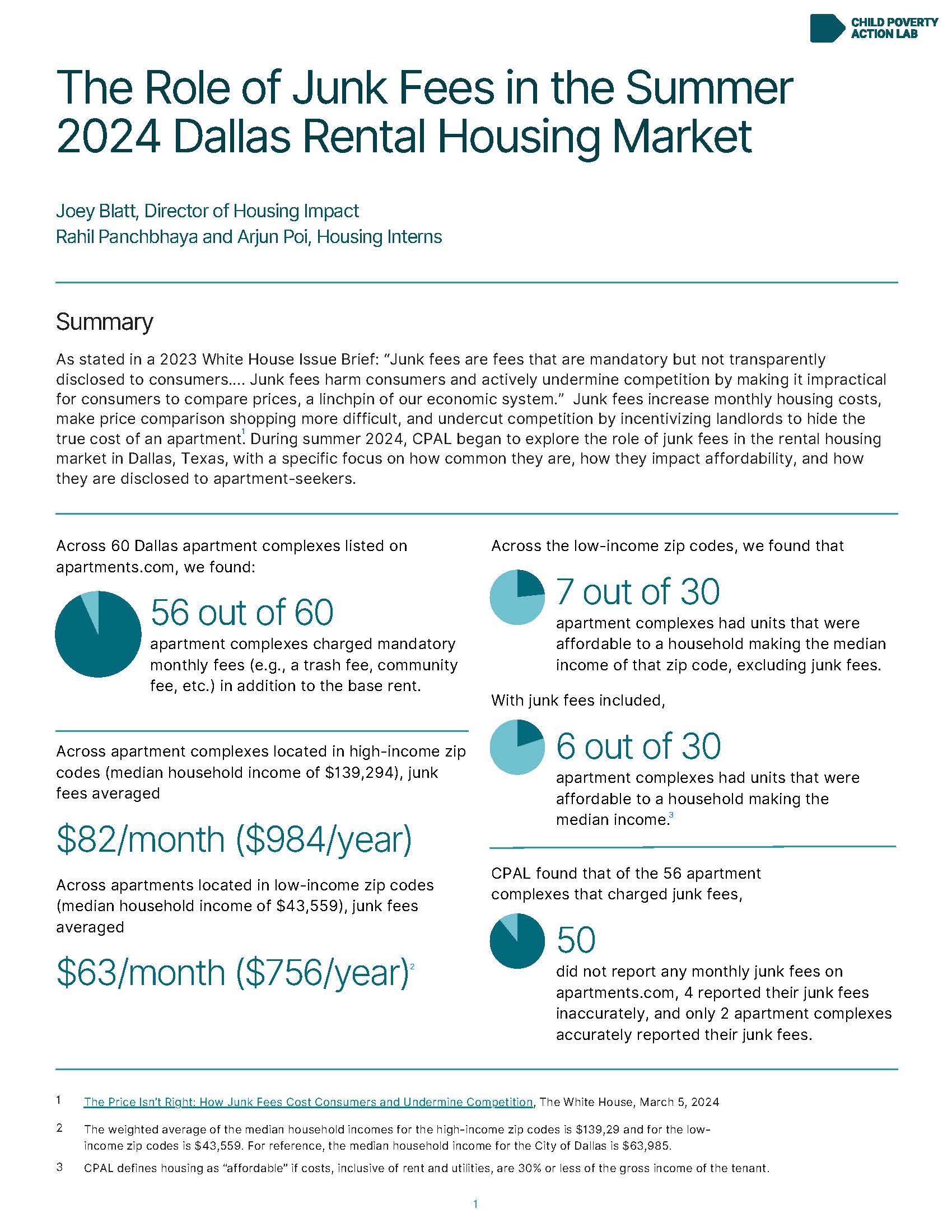
During summer 2024, CPAL began to explore the role of junk fees in the rental housing market in Dallas, Texas, with a specific focus on how common they are, how they impact affordability, and how they are disclosed to apartment-seekers.
In CPAL's sample of the 2024 rental housing market, junk fees were pervasive, made housing more expensive, and were poorly disclosed to renters. Junk fees increase monthly housing costs, make price comparison shopping more difficult, and undercut competition by incentivizing landlords to hide the true cost of an apartment.
View more


Eviction less likely for Dallas County tenants who get a lawyer — but most don’t have one
CPAL's data analysis shows that eviction chances fall dramatically when tenants have legal representation.
- Law students at SMU observed nearly 1,300 eviction hearings across five of Dallas County’s ten justice of the peace courts from November 2022 to April 2023, representing about 10% of all initial eviction cases heard in those courts.
- Renters who had lawyers lost their cases just 7% of the time, whereas renters without lawyers lost their case – and, typically, their home — nearly 70% of the time.


Dallas County tenants who appeal evictions find better outcomes
New data from CPAL reveals powerful insights about the link between legal counsel and staving off eviction in Dallas County.
- During a year in which Dallas County evictions were at a five-year high, about 80% of times in which tenants appealed, the cases were either dismissed, abated or ruled in favor of tenants.
- Having legal counsel matters a lot: When tenants have legal representation, cases are decided in favor of the landlord just 10% of the time.
CPAL's Trust Her team gives contraception access to more women
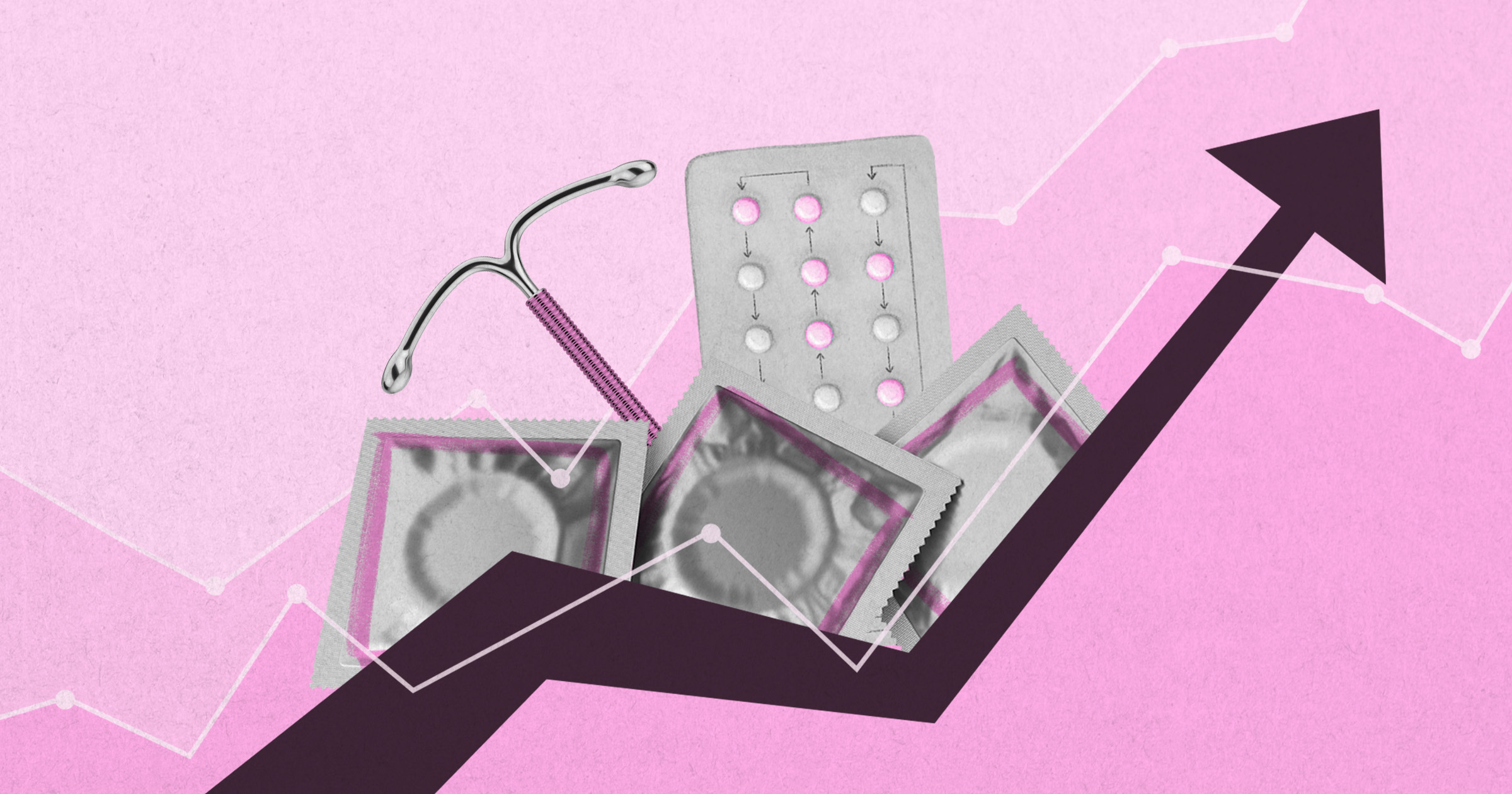
Through the Trust Her initiative, CPAL works to dramatically increase access to free or low-cost contraception.
- 1.8 million Texas women of childbearing age cannot afford their preferred method of birth control. Without good insurance, an IUD–the most effective form of contraception–can cost up to $1,300.
- Women can often 7 months or more to obtain her method of choice. Appointments may not be available for many weeks and more waits can follow, depending on a clinic’s contraception inventory.