

Closing the Gap: The $25M Initiative Aiming to Improve Maternal Outcomes Across DFW
In the face of discouraging maternal health data in Texas, TCU and UT Southwestern have joined forces to launch the North Texas Maternal Health Accelerator. Since December 2024, 11 philanthropic organizations have committed nearly $25 million to address maternal morbidity, preterm birth rates, and other maternal health conditions at a crucial time for the accelerator.
The good news is that the Anne Burnett Marion School of Medicine at Texas Christian University and UT Southwestern Medical Center are collaborating to address maternal morbidity and other maternal health issues with the Maternal Health Accelerator (MHA).
Founding Dean of the Burnett School of Medicine at TCU, Dr. Stuart D. Flynn, will lead the program. Co-investigators from UT Southwestern and Parkland Health will join him. The initiative is coordinated by the nonprofit Child Poverty Action Lab (CPAL) and is based in Dallas. Other partners include Health My Resources of Tarrant County (MHMR) and Parkland Center for Clinical Innovation (PCCI).
View more

Improve Housing Choice Voucher Acceptance
CPAL’s Housing Voucher Acceptance Guide explains Dallas’ voucher ecosystem dynamics and ways to improve HCV acceptance.
- In a 2020 survey of apartment complexes across Dallas, Denton, Tarrant, and Collin Counties conducted by the Inclusive Communities Project, only 7% of respondents reported accepting vouchers.
- Those that benefit most from vouchers are primarily women and BIPOC renters who live below the federal poverty threshold. 15% of the DHA Housing Choice Voucher recipients (~2,400 families) are households with dependent children.

CPAL Partner Spotlight: Dallas Eviction Advocacy Center
What if real-time data could help stop evictions before they happen?
- In this CPAL Partner Spotlight, we highlight how the Dallas Eviction Advocacy Center (DEAC) is using eviction filing data from the Child Poverty Action Lab (CPAL) to execute a bold strategy: providing legal defense for every tenant, in every court, every day.
- With over 40,000 eviction filings each year in Dallas County, the stakes are high — and so is the potential for impact. CPAL’s real-time data allows DEAC to identify eviction filings as soon as they’re submitted, reach out to tenants proactively, and prepare legal defenses before they ever walk into court.

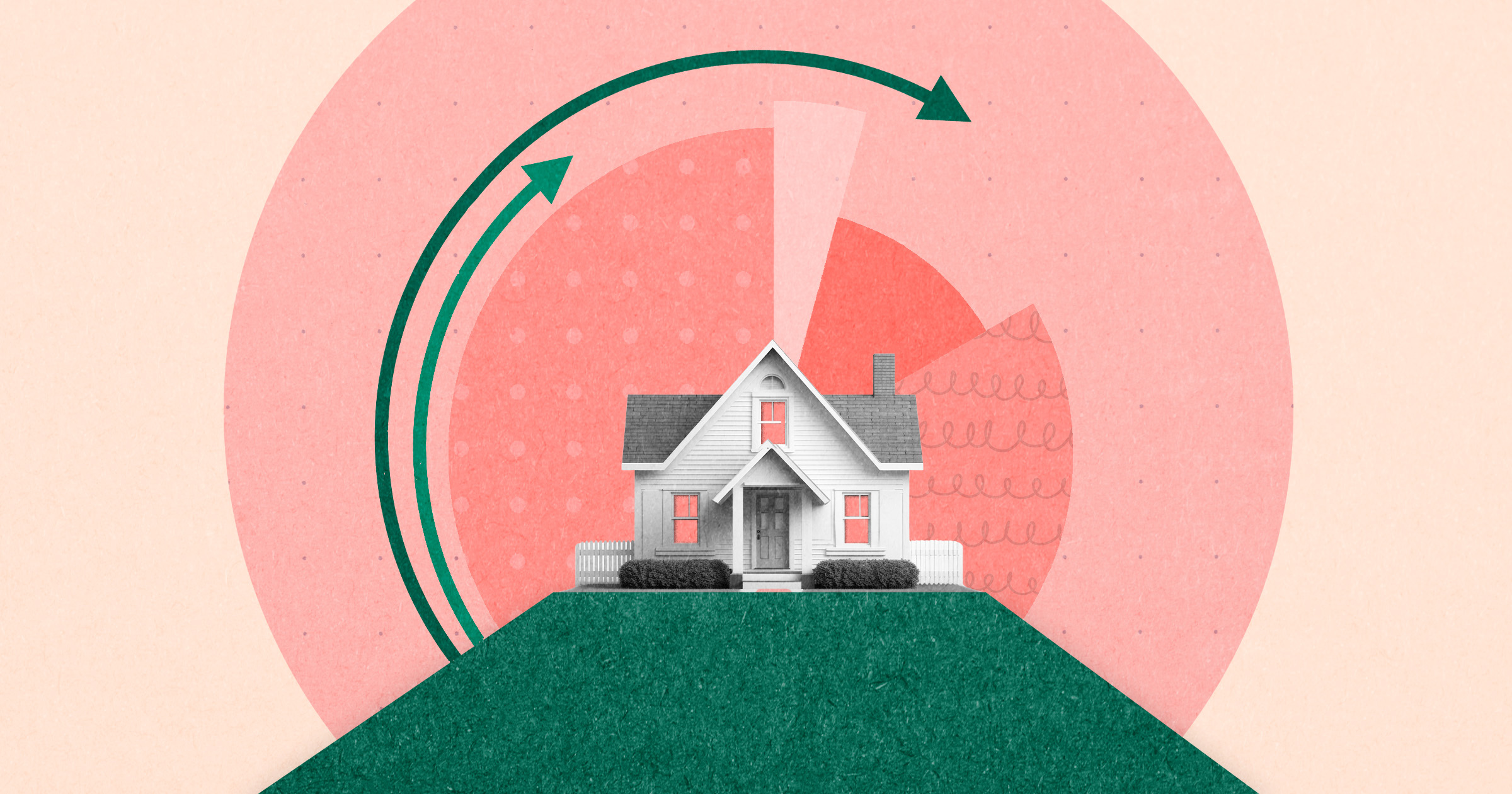
2025 Rental Housing Needs Assessment
The 2025 Rental Housing Needs Assessment establishes a shared fact base on rental affordability, supply, and opportunity in the City of Dallas.
- Dallas faces a 46,000-unit shortage of rental homes affordable to very low-income households earning ≤50% of Area Median Income (AMI). Since CPAL first published this report in 2023, the gap has grown by more than 12,000 units.
- Between 2021 and 2023, the number of rental units priced below $1,000 per month was cut in half — a loss of over 50,000 units. Today, 90% of affordable units for low-income renters are unsubsidized and vulnerable to market pressures.
- Half of all renters spend more than 30% of their income on housing, including 75% of single parents with children and 65% of senior renters. Extremely low-income renters spend, on average, 78% of their income on housing, leaving little room for other necessities.